
First-Time Dog Owner Guide: Essential Checklist Before Bringing a Puppy Home in Dubai

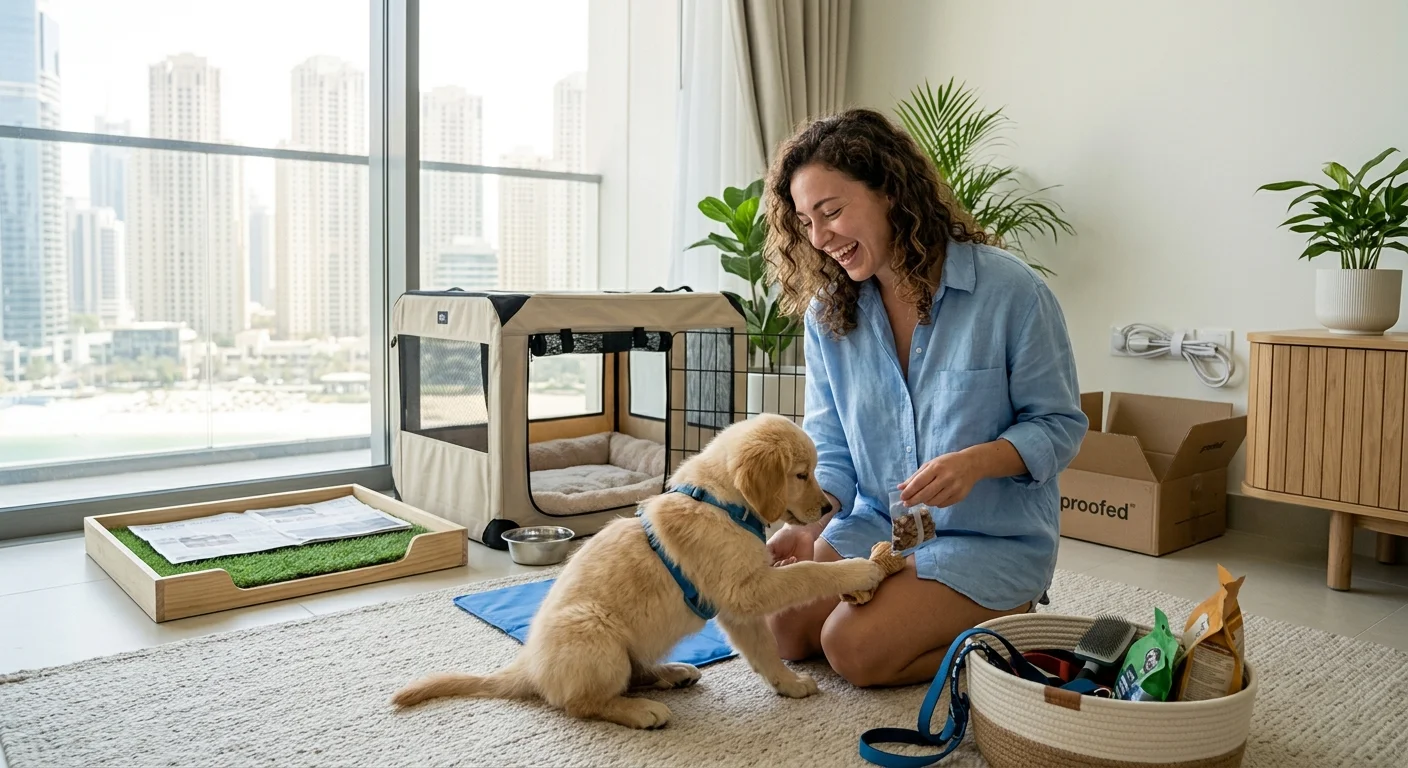
Bringing a puppy home for the first time is an exciting experience, but it also requires more preparation than many new dog owners expect. A puppy does not simply need food, water, and a comfortable place to sleep. The home itself should be prepared around the puppy’s safety, movement, toilet habits, sleeping routine, play needs, and ability to adjust to a new environment.
For first-time buyers searching for a dog puppy for sale, preparation should ideally begin before the puppy arrives. This is particularly important in Dubai, where apartment living is common and the warm climate creates additional considerations for indoor comfort, outdoor activity, and temperature management.
Whether the puppy will live in an apartment or a villa, the goal is to create an environment where the puppy can explore safely while gradually learning the household routine. A well-prepared home can also make the transition less stressful for both the puppy and the owner.
This guide covers the practical checklist to consider before bringing a puppy home, including puppy-proofing, essential supplies, crate setup, leash preparation, indoor potty training, cooling solutions, sleeping arrangements, daily routines, and climate-conscious preparation for life in Dubai.
What to Prepare Before Bringing a Puppy Home
Think Beyond the Puppy’s First Day
One of the most common mistakes first-time dog owners make is preparing only for the puppy’s arrival day. A better approach is to think about the first few weeks.
A puppy will need a safe sleeping area, feeding station, toilet-training space, toys, cleaning supplies, and appropriate equipment for short walks and transportation. It will also need time to learn which areas of the home are allowed and which are restricted.
Before bringing the puppy home, walk through each room and ask simple questions:
Can the puppy reach electrical cables?
Are there small objects it could swallow?
Can it access cleaning products?
Are balconies or staircases safely secured?
Are there gaps behind furniture where it could become trapped?
Is the floor suitable for a young puppy?
Is there a cool and comfortable area where the puppy can rest?
These questions are especially useful for first-time owners who have never adapted a home for a young dog.
Create a Puppy Zone
The puppy does not need access to the entire home immediately. Creating a dedicated puppy zone can make the transition easier.
This area can include:
A crate or comfortable sleeping space
A washable bed
Food and water bowls
A few safe toys
A designated potty-training area
Puppy-safe cleaning supplies
A leash and collar stored nearby
The puppy zone should be somewhere the family can supervise easily. It should not be isolated from household activity for long periods, but it should also provide a quiet place where the puppy can rest.
Preparing an Apartment for a Puppy
Check Every Room at Puppy Level
Apartments can be excellent homes for puppies when the environment is organized properly. The important point is to remember that puppies experience the home differently from adults.
A low table, for example, may look harmless to a person but could provide access to cables, decorations, or other objects. A puppy can also crawl underneath furniture or investigate spaces that humans rarely notice.
Get down close to floor level and inspect the apartment from the puppy’s perspective. Look for exposed wires, loose objects, unstable decorations, plants, and accessible storage areas.
Secure Electrical Cables
Electrical cables should be arranged so the puppy cannot easily chew them. Cable management solutions can help keep wires against walls or behind furniture.
Do not assume that a puppy will naturally avoid cables. Young dogs explore their surroundings with their mouths, and chewing can become part of normal exploration.
Keeping cables inaccessible is therefore a basic part of puppy-proofing.
Protect Balconies and Windows
Dubai apartments may have balconies with different designs and railing gaps. Before allowing a puppy near a balcony, make sure the area is appropriately secured.
A puppy should never be left unattended on a balcony simply because the railing appears high enough. Small dogs and young puppies can squeeze through surprisingly small spaces or climb onto objects placed near railings.
Windows should also be checked, particularly if they can be opened widely.
Manage Small Spaces
Puppies can become trapped behind sofas, under beds, or between furniture and walls.
Before the puppy arrives, identify narrow spaces and either block them temporarily or rearrange furniture.
This is particularly useful during the first few weeks, when the puppy is still learning how to move around the home.
read more about puppies cost
Preparing a Villa for a Puppy
Secure Stairs and Open Areas
Villas can provide more space for a puppy, but more space also means more areas that need to be checked.
Staircases should be considered carefully, especially for very young puppies. Depending on the puppy’s age, size, and coordination, access to stairs may need to be limited temporarily.
Baby gates or other appropriate barriers can help create controlled areas.
Check the Garden
A villa garden can provide useful space for movement and supervised outdoor time, but it should not automatically be considered puppy-safe.
Check for:
Open gaps under gates
Holes in fences
Sharp objects
Small items
Accessible chemicals
Garden tools
Standing water
Plants that may be unsafe for dogs
A puppy may investigate almost everything it can reach, so the garden should be inspected before allowing free access.
Keep Outdoor Areas Comfortable
Dubai’s warm climate makes outdoor preparation particularly important. A garden may look comfortable during certain hours but become extremely hot later in the day.
Provide access to shade and fresh water, and avoid expecting a young puppy to remain outside for extended periods during hot weather.
The outdoor space should complement indoor living rather than replace it.
Essential Puppy Supplies Checklist
Crate or Safe Sleeping Space
A crate can provide a puppy with a secure place to rest and can also support household routines and toilet training.
The crate should be appropriately sized. It should allow the puppy to stand, turn around, and lie down comfortably without providing excessive unused space.
The crate should never be treated as a punishment area.
Instead, it should gradually become associated with rest, calmness, and security.
Comfortable Bed
A washable puppy bed is practical because accidents and chewing are common during the early stages.
It is often useful to have an easily washable backup bed or blanket available.
The sleeping area should be positioned away from direct heat and strong airflow while still allowing comfortable ventilation.
Food and Water Bowls
Choose stable bowls that are easy to clean. Water should be available regularly, particularly in a warm environment.
The water station should be placed somewhere that is easy for the puppy to access but not likely to be knocked over constantly.
Collar and Identification
A properly fitted collar can be useful for identification and everyday handling.
The collar should not be excessively tight. Check the fit regularly as the puppy grows.
A leash should also be ready before the puppy arrives, even if outdoor walking will begin later according to the puppy’s health and veterinary guidance.
Leash and Harness
Some puppies adapt more comfortably to a harness than a collar for certain activities. The appropriate option depends on the puppy’s size, structure, and individual needs.
Introduce walking equipment gradually indoors.
Let the puppy investigate the harness or leash before expecting it to walk normally while wearing them.
Puppy-Safe Toys
Toys provide opportunities for play and appropriate chewing.
Choose toys according to the puppy’s size and chewing habits. Toys should be checked regularly for damage, and damaged items should be removed.
There is no need to fill the house with dozens of toys. A small selection of suitable toys can be enough to begin with.
Preparing a Cooling Setup for Dubai Weather
Why Temperature Management Matters
Dubai’s climate makes temperature management an important part of responsible puppy preparation.
Young puppies can be sensitive to environmental conditions, and the combination of high outdoor temperatures and direct sunlight can make outdoor areas uncomfortable very quickly.
The home should therefore include a cool, shaded resting area.
Cooling Mats
A cooling mat can be a useful addition to the puppy’s resting area, particularly during warmer periods.
It should be placed where the puppy can choose to use it rather than being forced to remain on it.
Cooling products should also be inspected regularly for chewing damage, especially when used with puppies that explore objects with their mouths.
Air Conditioning and Ventilation
Indoor temperature should be kept comfortable rather than relying on outdoor conditions to determine how the puppy feels.
Air conditioning can be particularly important during Dubai’s hottest periods.
However, the puppy’s sleeping area should not be positioned directly under a strong stream of cold air.
A comfortable location with stable temperature and good airflow is generally more practical.
Fresh Water
Water is one of the simplest but most important parts of climate preparation.
Keep fresh drinking water accessible and check it regularly.
If the puppy spends time in different areas of the home, consider whether it needs access to water in each appropriate area.
Setting Up an Indoor Potty Training Area
Choose One Consistent Location
Indoor potty training is often easier when the puppy has a consistent designated area.
Instead of moving the potty area from room to room, choose a location that is easy to clean and relatively quiet.
The exact setup can vary depending on the household and the puppy.
Some owners use puppy pads, while others may use an indoor toilet system or transition toward outdoor potty training.
Keep the Area Separate From Food and Sleeping Spaces
The puppy’s toilet area should ideally be separate from its sleeping and feeding spaces.
Dogs naturally tend to distinguish between resting areas and toilet areas, although young puppies need time and guidance to develop reliable habits.
The important thing is to make the setup simple and consistent.
Expect Accidents
Accidents are normal during early potty training.
A puppy is still developing bladder control and learning household expectations. Punishing accidents can create fear and confusion rather than teaching the desired behavior.
Instead, clean accidents thoroughly and continue guiding the puppy toward the designated area.
Use Easy-to-Clean Flooring
When choosing the location for indoor potty training, consider the flooring.
Hard, washable surfaces are generally easier to maintain than carpets.
If the puppy is temporarily using pads indoors, protect nearby flooring where necessary and keep cleaning products available for quick cleanup.
read more about teacup puppies for sale
Establishing a Puppy-Friendly Daily Routine
Feeding Schedule
A puppy benefits from a predictable routine.
Feeding times should follow appropriate veterinary and nutritional guidance based on age, size, and individual needs.
Keeping meals relatively consistent can also make it easier to understand the puppy’s toilet patterns.
Sleep Schedule
Puppies sleep considerably more than many first-time owners expect.
A puppy that spends much of the day sleeping is not necessarily bored or inactive. Rest is an important part of early development.
Create a quiet sleeping area and avoid constantly waking the puppy for entertainment.
Play and Mental Stimulation
Puppies need appropriate play and mental stimulation, but activities should match their age and physical abilities.
Short periods of play can be more suitable than expecting a young puppy to remain active for long periods.
Simple activities such as supervised toy play, gentle exploration, and basic training can help the puppy become familiar with its new environment.
Preparing for the First Night
Keep Expectations Realistic
The first night can be challenging.
The puppy has just left its previous environment and entered a completely unfamiliar home. It may cry, wake frequently, or seek attention.
This does not necessarily mean something is wrong.
A predictable sleeping arrangement can help the puppy understand where it is expected to rest.
Make the Sleeping Area Comfortable
The sleeping area should be comfortable, safe, and free from hazards.
A familiar-smelling item, when appropriate and safe, may help some puppies settle.
Avoid excessive heat, particularly in Dubai’s climate.
The room should remain comfortably cool without placing the puppy directly in front of an air conditioner.
Puppy-Proofing Common Household Areas
Kitchen
Kitchens contain many potential hazards for curious puppies.
Keep food, cleaning products, sharp objects, and small items out of reach.
Trash bins should also be secured because puppies may investigate them.
Bathroom
Keep cleaning products, toiletries, medications, and small objects inaccessible.
Toilet areas should also be managed carefully, especially when the puppy is exploring its surroundings.
Living Room
Check electrical cables, decorations, small objects, furniture gaps, and accessible plants.
Secure unstable objects that could be knocked over.
Bedroom
Look underneath beds and furniture for accessible spaces.
Keep shoes, chargers, jewelry, and small personal items away from a puppy that enjoys chewing or exploring.
Preparing Children and Family Members
Establish Household Rules
If several people live in the home, everyone should understand the basic puppy rules before arrival.
For example, the family can agree on:
Where the puppy sleeps
Where it eats
Where it goes to the toilet
Which rooms are accessible
Which furniture is off-limits
When playtime takes place
Who handles feeding and cleaning
Consistency helps the puppy learn faster.
Teach Gentle Interaction
Children should be taught how to interact appropriately with a young puppy.
They should avoid pulling ears or tails, disturbing the puppy while eating or sleeping, or forcing interaction when the puppy wants to rest.
Young children should also be supervised around puppies.
The goal is to create a relationship where both the child and puppy learn appropriate boundaries.
Preparing for Transportation
Have a Safe Travel Setup
The first trip home should be planned before the puppy arrives.
A suitable carrier, crate, or secure travel arrangement can help keep the puppy safe during transportation.
Avoid allowing a young puppy to move freely around a vehicle.
Consider Dubai’s Heat
The vehicle should be appropriately cooled before the puppy enters, especially during hot weather.
Never leave a puppy alone inside a parked vehicle, even for a short period.
Vehicle interiors can become dangerously hot very quickly.
read more about cheap puppies for sale in dubai
Creating a Climate-Conscious Outdoor Routine
Choose Cooler Times for Outdoor Activity
During hot weather, outdoor activity should be planned around more comfortable periods rather than the hottest part of the day.
The exact routine can change according to weather conditions, the puppy’s age, health, and veterinary guidance.
Check the Ground Temperature
Outdoor surfaces can become extremely hot under strong sunlight.
Before taking a puppy onto pavement or other exposed surfaces, consider whether the ground is comfortable enough for its paws.
A surface that feels tolerable for a person may be uncomfortable for a puppy.
Provide Shade and Water
Outdoor areas should provide access to shade and fresh water.
A puppy should not be expected to remain outside for extended periods in high temperatures.
For many Dubai households, the indoor environment will remain an important part of the puppy’s daily routine throughout much of the year.
Lifestyle Readiness Before Choosing a Puppy
Consider Your Working Schedule
Before searching for a dog puppy for sale, first consider how much time the household can realistically dedicate to a puppy.
Puppies require regular feeding, supervision, toilet training, cleaning, play, rest, and gradual socialization.
A household where everyone is away for long periods may need a different routine from a household where someone is regularly present.
Consider Your Living Space
A large villa is not automatically a better puppy home than an apartment.
A well-organized apartment can provide an excellent environment when the puppy receives appropriate care, stimulation, and supervised activity.
Similarly, a villa still needs puppy-proofing because additional rooms, stairs, gardens, and outdoor areas create more spaces to manage.
Consider Your Long-Term Routine
A puppy will eventually become an adult dog.
Before bringing one home, consider whether the household can maintain the required routine as the dog grows.
The decision should fit the family’s lifestyle rather than being based only on the excitement of having a puppy.
Preparing the Home for Growth
Buy Supplies With Growth in Mind
Some puppy supplies may only be suitable for a short period because puppies grow quickly.
Collars, harnesses, beds, crates, and other equipment may need to be adjusted or replaced as the dog becomes larger.
Avoid choosing equipment solely based on its appearance. Fit, safety, durability, and suitability should be more important.
Reassess Puppy-Proofing Regularly
A puppy that cannot reach a countertop today may be able to reach it a few weeks later.
As the puppy grows, its jumping ability, climbing ability, and curiosity may change.
Therefore, puppy-proofing should be treated as an ongoing process rather than a one-time task.
Common Home Preparation Mistakes
Giving the Puppy Too Much Freedom
Allowing a new puppy to explore the entire home immediately can make supervision difficult.
A controlled area allows the puppy to learn gradually while reducing opportunities for accidents and unwanted chewing.
Buying Too Many Supplies
New owners sometimes purchase large quantities of products before understanding what the puppy actually uses.
A practical starter kit is often enough. Additional supplies can be added as the puppy’s needs become clearer.
Ignoring the Climate
Dubai’s warm climate should be considered before the puppy arrives, not after the first hot day.
Cooling, hydration, indoor comfort, transportation, and outdoor timing should all be included in the preparation plan.
Expecting Instant Toilet Training
Potty training requires patience and consistency.
A puppy will not automatically understand the household’s expectations on the first day.
The owner should expect a learning period and prepare the home accordingly.
read more about puppies for sale abu dhabi
Searching for a dog puppy for sale is only the beginning of becoming a responsible dog owner. Before choosing a puppy, the more important question is whether the home and lifestyle are ready to accommodate a young dog.
For first-time owners in Dubai, preparation should focus on three major areas: safety, routine, and climate.
An apartment should be checked for cables, balconies, small objects, and inaccessible spaces. A villa should receive the same attention while also including stairs, gardens, gates, and larger outdoor areas in the safety assessment.
The basic supply checklist should include a suitable crate or sleeping area, washable bedding, food and water bowls, a collar, leash, appropriate toys, cleaning supplies, indoor potty-training equipment, and climate-related items such as a cooling mat.
Dubai’s warm weather also means that indoor temperature, hydration, shade, transportation, and outdoor timing deserve particular attention. A puppy should have a comfortable place to rest indoors and should not be expected to tolerate excessive heat simply because it has access to an outdoor area.
Most importantly, first-time owners should prepare for the lifestyle involved in raising a puppy. Toilet training takes time. Puppies need supervision, sleep, play, routine, and patience. Their needs also change as they grow, which means the home may need to be adjusted over time.
A well-prepared home does not have to be large or complicated. What matters most is that it is safe, comfortable, organized, and suitable for the puppy’s stage of development. By preparing the environment before the puppy arrives, new owners can make the transition smoother and create a stronger foundation for life with their new companion.