
How to Buy Cheap Puppies in Dubai Safely Without Scams

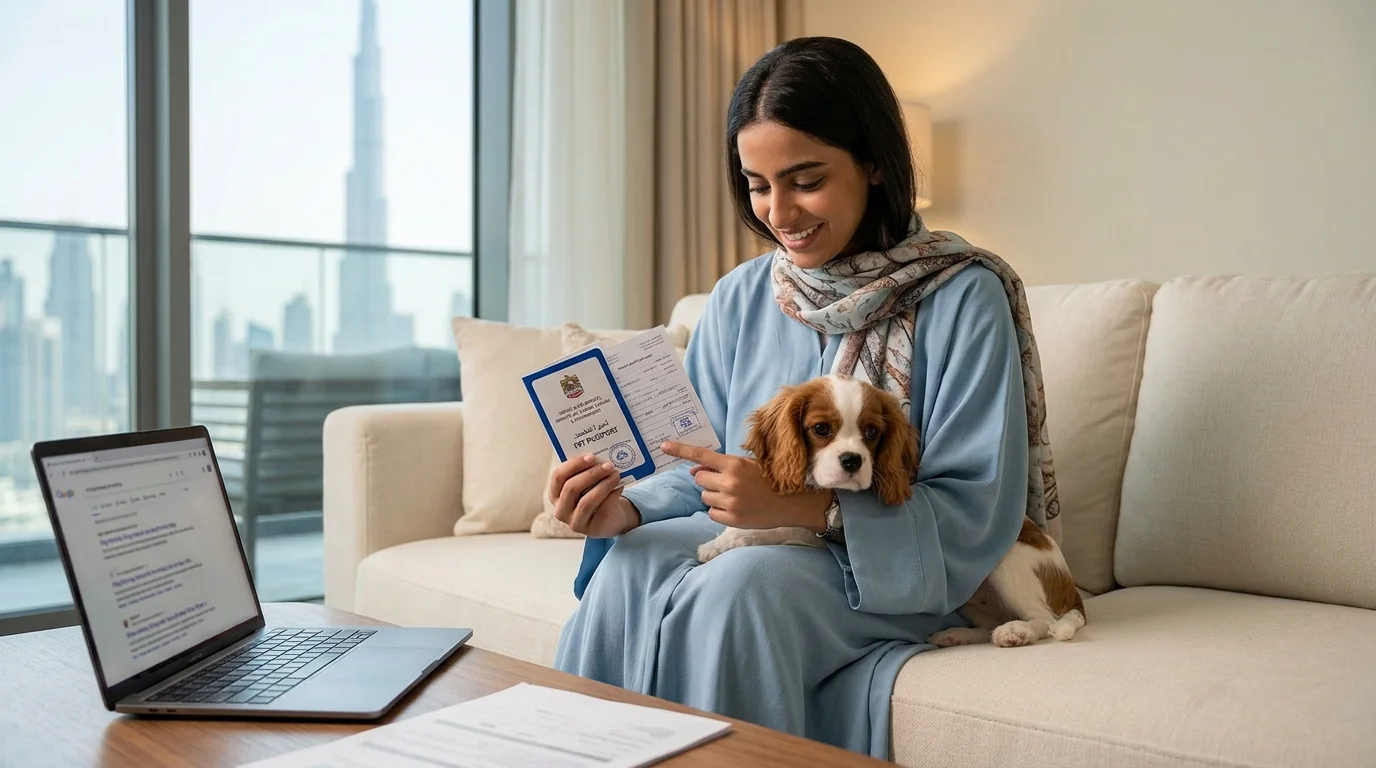
Searching for cheap puppies for sale in Dubai can be appealing, especially when you are trying to welcome a puppy into your home while staying within a limited budget. However, a low asking price should never be the only factor you consider when choosing a puppy.
The online pet market can include responsible breeders, private sellers, pet owners looking for new homes for their puppies, rescue organizations, and unfortunately, dishonest sellers. Some advertisements may use unusually low prices to attract buyers quickly, while others may conceal important information about a puppy’s age, health, origin, vaccination status, or living conditions.
Buying a puppy safely therefore requires more than finding an affordable advertisement. You need to verify the seller, inspect the puppy, review documentation, recognize potential scam patterns, and understand what responsible breeding and basic health guarantees should look like.
This guide focuses specifically on buyer safety, scam prevention, seller verification, and puppy inspection checklists. The goal is to help budget-conscious buyers make a careful decision without relying solely on a low advertised price.
read more about puppies cost
Why Cheap Puppies Require Extra Caution
A Low Price Does Not Automatically Mean a Good Deal
A puppy can be advertised at an attractive price for legitimate reasons. For example, the seller may be rehoming a puppy, the litter may not have pedigree documentation, or the puppy may be a mixed breed rather than a registered purebred.
At the same time, an unusually cheap puppy can sometimes indicate a problem that is not immediately visible in an advertisement.
The puppy may have received inadequate veterinary care, come from poor breeding conditions, be younger than legally or ethically appropriate for rehoming, or have incomplete vaccination and health records.
There is also the possibility that the advertisement itself is fraudulent. A scammer may use photographs of a puppy that does not actually exist or may request a deposit before allowing the buyer to see the animal.
The important distinction is this:
Affordable does not necessarily mean unsafe, but an unusually low price should trigger additional verification.
Look at the Entire Transaction, Not Just the Advertisement
A responsible buyer should evaluate several factors together:
The seller’s identity and history
Where the puppy is being kept
Whether you can physically see the puppy
The puppy’s age and development
Vaccination and veterinary records
Identification information where applicable
The puppy’s parents and background
Breeding conditions
Contract or transfer documentation
Health guarantees
Payment requirements
The seller’s willingness to answer questions
A seller who provides clear answers and allows reasonable inspection is generally easier to evaluate than someone who pressures you to pay immediately.
Common Online Puppy Scams in Dubai
Fake Puppy Advertisements
One common scam involves advertisements for puppies that do not actually exist.
The scammer may copy photographs from legitimate breeders, social media accounts, or old advertisements and publish them under a different identity. The puppy may appear healthy and attractive, while the seller provides convincing-looking descriptions.
After contacting the seller, the buyer may be told that the puppy is available immediately and that a deposit is required to reserve it.
Once the payment is transferred, the seller may disappear or invent additional charges.
Before paying anything, insist on seeing the actual puppy and verifying that the seller has legitimate control of the animal.
Stolen Puppy Photos
Photographs can be misleading because it is relatively easy to reuse images from another source.
A seller may claim that a puppy is located in Dubai while the photograph actually belongs to another breeder or pet owner.
Ask for recent photographs and videos showing the puppy in its current environment. A useful verification step is requesting a short video showing the puppy interacting with the seller or being filmed from different angles.
Even better, arrange an in-person visit.
Deposit and Reservation Scams
Scammers frequently use urgency to encourage buyers to transfer money quickly.
Typical messages may claim:
- Another buyer is interested
- The puppy will be sold within the hour
- A deposit is required immediately
- The price is available only today
- Transportation must be paid before the puppy can be released
- A refundable reservation fee is mandatory
Urgency should never replace verification.
If the seller refuses to let you inspect the puppy before sending money, consider that a major warning sign.
Fake Transportation or Delivery Charges
Another pattern involves an apparently cheap puppy followed by unexpected transportation requirements.
The seller may claim that the puppy needs a special carrier, insurance, veterinary clearance, travel certificate, airport processing, or another payment before delivery.
Some legitimate transactions can involve genuine transportation and veterinary requirements, but a buyer should independently verify such requirements rather than automatically paying whatever the seller demands.
If every stage of the transaction produces another unexpected payment, stop and reassess the situation.
Fake Veterinary Documents
A scammer can create documents that look official.
A vaccination card, health certificate, invoice, or veterinary record should therefore not be accepted solely because it has a professional-looking logo or stamp.
Check:
The veterinary clinic’s name
Contact information
Dates
Puppy identification
Vaccination details
Veterinarian information
Consistency between the document and the puppy
Whether the clinic can independently confirm the record
When appropriate, contact the veterinary clinic using independently verified contact details rather than relying exclusively on a phone number provided by the seller.
Warning Signs of a Suspicious Seller
The Seller Refuses an In-Person Visit
One of the strongest warning signs is a seller who consistently avoids allowing you to see the puppy.
There may be legitimate reasons why an immediate visit is impossible, but a seller who refuses every reasonable opportunity to verify the animal deserves caution.
Do not allow the seller to replace an inspection with photographs alone.
The Seller Wants Payment Before Showing the Puppy
Be particularly careful when the seller requests a deposit before allowing you to see the puppy.
A reservation arrangement can sometimes exist in legitimate transactions, but the buyer should understand exactly what is being paid, why it is being paid, and what happens if the transaction does not proceed.
Never assume that a payment is refundable simply because the seller says so in a message.
The Seller Creates Extreme Urgency
Pressure is a common feature of scams.
Statements such as “pay now,” “last chance,” or “someone else is coming” are designed to make buyers act emotionally rather than investigate.
A responsible seller should understand that purchasing a puppy is an important decision.
Take time to ask questions.
The Seller Has Multiple Identical Listings
Be cautious if the same person appears to advertise many different breeds, ages, and puppies using similar descriptions or photographs.
This can indicate a commercial operation that deserves additional investigation.
It can also indicate that photographs are being reused.
The Seller Cannot Explain the Puppy’s History
A legitimate seller should normally be able to provide basic information about the puppy.
Ask:
When was the puppy born?
Where was it born?
Who owns the mother?
Can I see the mother?
What veterinary care has the puppy received?
What food is the puppy currently eating?
Has it been dewormed?
What vaccinations has it received?
Has it been examined by a veterinarian?
What socialization has it received?
Inconsistent answers are a reason to pause.
How to Verify the Seller
Verify the Seller’s Identity
Before making a commitment, establish who you are actually dealing with.
Ask for the seller’s full identifying information and relevant business details if they are operating commercially.
Check whether the information is consistent across:
- Advertisement
- Social media profile
- Business information
- Documents
- Contact details
- Physical location
A seller who refuses to provide basic information should not be treated the same way as a transparent seller.
Verify Commercial Breeder Documentation
If the seller represents themselves as a professional or licensed breeder, ask what documentation authorizes their operation and what regulatory requirements apply to their activities.
Do not confuse a social media profile, business card, or self-created certificate with official authorization.
Where official documentation is claimed, verify it through the relevant authority rather than relying solely on a photograph or PDF sent through messaging apps.
Check Whether Information Is Consistent
A useful technique is to compare every piece of information you receive.
For example, the puppy’s stated age should make sense based on its appearance and the dates shown in veterinary records.
The breed description should be consistent with the puppy and, where relevant, its parents.
The seller’s location should also match the location stated in the advertisement.
Contradictions do not automatically prove fraud, but several contradictions together should make you cautious.
How to Inspect a Puppy Before Buying
Visit the Puppy in Person
Whenever possible, meet the puppy before completing the purchase.
A physical visit allows you to evaluate things that photographs cannot reliably show.
Observe:
General alertness
Movement
Breathing
Eyes
Nose
Ears
Coat
Skin
Body condition
Appetite
Interaction
General cleanliness
The puppy does not need to behave perfectly during a short visit. Puppies can be sleepy, excited, nervous, or playful.
The goal is to identify obvious signs that require veterinary attention.
Examine the Puppy’s Eyes
Healthy-looking eyes are generally clear and appropriately bright for the puppy.
Be cautious if you notice:
Thick discharge
Significant redness
Swelling
Persistent squinting
Cloudiness
Crusting around the eyes
Minor tear staining can occur in some breeds and does not automatically indicate serious illness. However, unusual discharge or obvious discomfort deserves attention.
Check the Nose and Breathing
Observe the puppy while it is calm.
Look for unusual breathing sounds, significant nasal discharge, difficulty breathing, or obvious respiratory distress.
Some breeds naturally have different breathing characteristics, particularly flat-faced breeds. This makes veterinary evaluation especially important when buying a puppy with a conformational predisposition to respiratory problems.
Inspect the Coat and Skin
Part the fur gently and look for:
Excessive scratching
Bald patches
Redness
Sores
Crusting
Heavy dandruff
Parasites
Swelling
Fleas and other parasites may not always be obvious at first glance.
Do not assume that a clean-looking coat proves the puppy is parasite-free.
Observe Movement
Ask the puppy to walk naturally on a safe surface.
Look for obvious limping, weakness, severe reluctance to move, or unusual coordination.
Very young puppies can naturally be clumsy, so avoid interpreting normal puppy behavior as a medical diagnosis.
The purpose of this inspection is to identify obvious concerns that warrant professional examination.
Check the Puppy’s Living Environment
Cleanliness Matters
The puppy’s surroundings can provide important clues about how it has been raised.
Look for:
Clean bedding
Fresh water
Appropriate food
Reasonable ventilation
Adequate space
Safe flooring
Clean waste areas
Appropriate temperature
General maintenance
An environment that is consistently dirty, overcrowded, or unsafe should raise concerns.
Look at the Other Dogs
If possible, observe the puppy’s mother and other dogs living at the location.
The mother should not appear severely underweight, chronically ill, extremely frightened, or neglected.
Pay attention to whether multiple dogs are being kept in overcrowded conditions.
A seller may present one healthy-looking puppy while keeping breeding animals in poor conditions elsewhere on the property.
Ask to See the Mother
Seeing the mother can help verify that the puppy actually belongs to the claimed litter.
It also provides useful information about temperament, physical condition, and breeding circumstances.
A seller who repeatedly refuses to show the mother without a convincing explanation deserves additional scrutiny.
Puppy Health Documentation Checklist
Vaccination Records
Ask for the puppy’s vaccination records and check whether the dates make sense for its age.
The record should clearly identify the animal and contain relevant vaccination information.
Do not assume that every vaccination card is authentic simply because it appears official.
If something looks unclear, ask the issuing veterinary clinic to verify the record.
Deworming Records
Ask whether the puppy has received deworming treatment.
Request dates and product information where available.
Young puppies commonly require appropriate parasite management, and a responsible seller should be able to explain the veterinary care the puppy has received.
Veterinary Examination
Ask whether the puppy has been examined by a veterinarian.
A recent veterinary examination can provide useful information about general health.
However, even a veterinary certificate should not replace your own independent veterinary examination after acquisition.
Identification
Depending on the circumstances and applicable requirements, ask about microchipping or other identification.
Make sure any identification number corresponds to the puppy and the accompanying documentation.
If the puppy has a microchip, verify the number rather than simply accepting a handwritten number on a document.
Why an Independent Veterinary Examination Matters
Do Not Rely Only on the Seller’s Veterinarian
A seller may provide veterinary records, but an independent examination gives the buyer another layer of protection.
Ideally, arrange for the puppy to be examined by a veterinarian you choose.
The veterinarian can assess the puppy’s general condition and discuss:
Vaccination status
Parasite control
Body condition
Heart and respiratory signs
Eyes and ears
Skin and coat
Teeth and mouth
Musculoskeletal development
Potential breed-related concerns
The veterinarian can also advise you about the next steps in preventive care.
Ask About a Health Guarantee
A responsible transaction should clearly explain what happens if a serious health problem is discovered shortly after purchase.
A health guarantee should not be treated as a vague promise such as “the puppy is healthy.”
Ask for the terms in writing.
Important questions include:
How long does the guarantee apply?
Which conditions are covered?
Does the buyer need an independent veterinary examination within a specified period?
What documentation is required?
What happens if a covered condition is identified?
Are congenital or hereditary conditions addressed?
Are infectious diseases covered?
What responsibilities does the buyer have?
Read the actual agreement rather than relying on verbal assurances.
Backyard Breeders and Low-Cost Puppies
What Is a Backyard Breeder?
The term “backyard breeder” is commonly used for individuals who breed dogs without the standards, knowledge, facilities, health screening, or oversight expected from responsible breeding programs.
Not every private breeder is automatically irresponsible, and not every commercial breeder automatically provides excellent conditions.
The important issue is the quality of breeding practices and animal care.
Why Poor Breeding Practices Can Be Risky
Poor breeding practices can increase the possibility of health, temperament, and socialization problems.
Potential concerns include:
Breeding dogs without appropriate health screening
Repeated breeding without adequate care
Poor sanitation
Insufficient veterinary supervision
Inadequate puppy socialization
Overcrowding
Inbreeding
Selling puppies too young
Failure to disclose known health problems
A puppy that appears inexpensive initially may become a much more complicated purchase if its early care has been inadequate.
How to Avoid Puppy Mills
Understand the Signs of High-Volume Breeding
A puppy mill is generally associated with high-volume breeding operations where animal welfare can be compromised.
Potential warning signs include:
Large numbers of puppies constantly available
Many breeds advertised simultaneously
Little information about individual puppies
No meaningful opportunity to see breeding dogs
Poor living conditions
Frequent online listings
Pressure to complete transactions remotely
Puppies shipped without meaningful buyer interaction
Limited health information
One sign alone may not establish that an operation is a puppy mill. However, multiple warning signs should lead to further investigation.
Ask About the Breeding Dogs
Responsible breeding requires attention to the health and welfare of the adult dogs, not only the puppies being sold.
Ask about:
The mother’s health
The father’s health
Previous litters
Health testing
Breeding frequency
Age of the parents
Known hereditary conditions
A seller who cannot provide basic information about the parents may not be operating transparently.
Questions to Ask Before Buying
Seller Questions
Prepare your questions before contacting the seller.
You can ask:
How old is the puppy?
What is the exact date of birth?
Where was the puppy born?
Can I meet the puppy in person?
Can I see the mother?
Can I see the puppy’s living environment?
Has the puppy been examined by a veterinarian?
What vaccinations has it received?
Has it been dewormed?
Does it have identification?
Can I review the original veterinary records?
What food is it currently eating?
How has the puppy been socialized?
Has the puppy had contact with other dogs?
Is there a written sale or transfer agreement?
Is there a written health guarantee?
What happens if my veterinarian identifies a significant health problem?
What documentation comes with the puppy?
A trustworthy seller should be comfortable discussing these subjects.
Questions About the Parents
For a purebred puppy, ask for information about both parents.
Depending on the breed, relevant health screening can vary considerably.
Ask whether the parents have been screened for health conditions commonly associated with that breed.
Do not accept “the parents are healthy” as a substitute for actual documentation when health testing is relevant.
Safe Payment Practices
Avoid Sending Money Too Early
The safest approach is to complete as much verification as possible before making a financial commitment.
Do not send money simply because the seller has provided attractive photographs or persuasive messages.
First verify:
The puppy exists
The seller has access to the puppy
The puppy’s identity matches the advertisement
The seller’s information is credible
The health records are consistent
You understand the agreement
Be Careful With Irreversible Payments
Payment methods that provide little or no buyer protection can create additional risk.
If a seller insists on an unusual payment method, cryptocurrency, gift cards, or transfers to unrelated individuals, investigate carefully before proceeding.
The payment recipient should make sense in relation to the transaction.
Keep Written Records
Save:
Advertisement screenshots
Seller messages
Photos
Veterinary documents
Contract
Payment records
Identification information
Health guarantee
Any promises made by the seller
Documentation can become important if there is a dispute later.
read more about teacup puppies for sale
Finding cheap puppies for sale in Dubai does not have to mean accepting unnecessary risks. The safest strategy is to separate the puppy’s advertised price from the question of whether the seller and transaction are trustworthy.
Start by verifying the seller. Then verify the puppy. Inspect the living conditions, examine the veterinary records, ask about the parents, and arrange an independent veterinary examination. Treat unusually low prices, copied photographs, pressure to pay quickly, unexplained transportation charges, incomplete documentation, and refusal to allow an in-person visit as reasons for additional caution.
Remember that a responsible seller should be able to explain where the puppy came from, how it has been cared for, what veterinary treatment it has received, and what documentation accompanies the transaction.
Most importantly, never let a cheap price make you skip verification.
A careful buyer does not simply ask, “How cheap is this puppy?”
A better question is:
“Can I verify that this puppy, this seller, and this transaction are exactly what they claim to be?”
That approach can help budget-conscious buyers reduce the risk of scams, avoid irresponsible breeding operations, and give a puppy a safer start in its new home.